 917.810.3038

120 Guests, a Hotel Block, and No Plan for Getting Anyone to the Venue
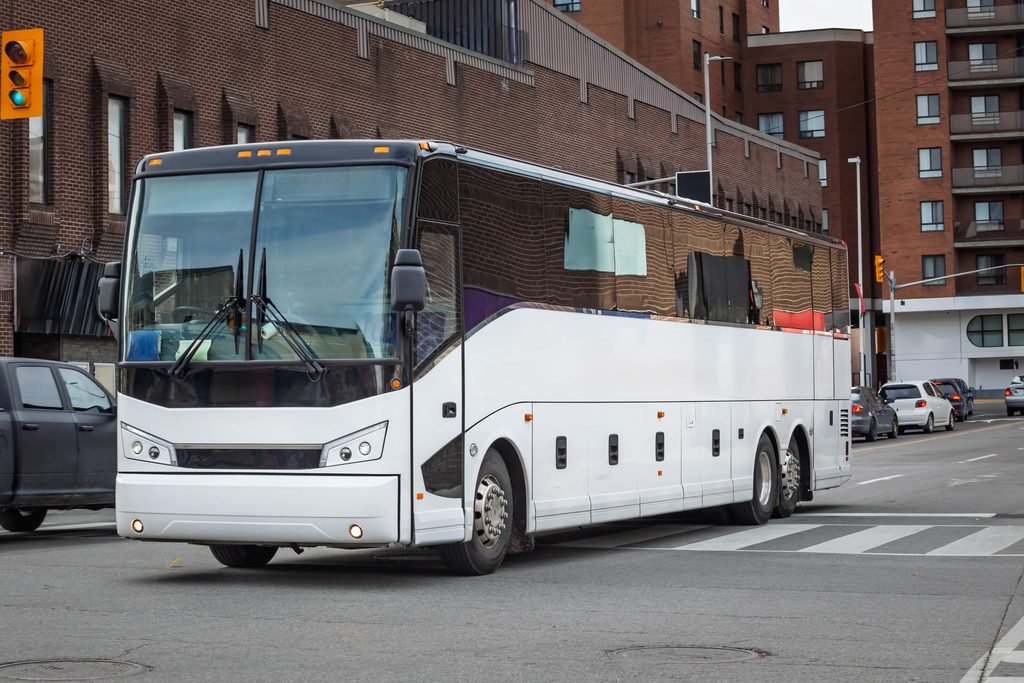
Transportation is usually the last line on a wedding budget and the first thing that goes wrong on the day. A ceremony that starts twenty minutes late because half the guest list is circling for parking is a problem the photographer, the caterer and the band all inherit. Winter is when couples with a spring or summer date should be solving it, and the reason is scheduling, not price.
Why December and January Are the Right Months for This
Peak wedding season in the tri-state area runs May through October, and that is when coaches are hardest to get.
For a date inside that window we ask couples to book six to nine months out. An off-season wedding can often be arranged with three to four months of lead time. Work backward from that and a June date needs its transportation settled around now, before the venue’s preferred-vendor list gets picked over and before the fleet is committed elsewhere on the same Saturday.
The other reason to do it early is that the shuttle plan forces useful decisions. Where is the hotel block? How far is the ceremony from the reception? What time does the last guest need to be back? Answering those in December is planning. Answering them in May is triage.
What a Shuttle Plan Actually Covers
Most couples picture one bus and one trip. A real plan has three or four movements in it.
Guests board at one or more hotel pickup points and arrive together ahead of the ceremony, with buffer built in for traffic and for the people who are always last. If the ceremony and the reception sit at different venues, there is a second movement between them, and for larger weddings that runs as a continuous loop instead of a single departure. Then the night ends, and late returns to the hotels run either on a published schedule or on demand.
The fourth movement is the one people forget to ask for: a stop at a park or a landmark between the ceremony and the reception so the wedding party can meet the photographer without splitting into private cars.
→ Wedding charter bus and shuttle service
The Questions to Ask Any Carrier
Vetting a bus company is not hard, and the paperwork is public.
Federal rules set a floor on insurance. The Federal Motor Carrier Safety Administration requires a for-hire passenger carrier operating in interstate commerce to hold $5,000,000 in public liability coverage for any vehicle designed to carry 16 or more passengers, including the driver, and $1,500,000 for smaller vehicles. A carrier moving guests between New York and New Jersey is operating interstate. Ask for the USDOT number and confirm the operating authority is active before you sign anything.
Then ask the operational questions. Who is reachable on the night, and by what number? Is the pickup window confirmed in writing? What happens if the first look runs long and the return schedule has to move? Any company that has run weddings before will have quick answers.
What a Bigger Guest List Actually Changes
Thirty guests from one Midtown hotel and two hundred and fifty across four properties are the same job at different scale.
A small wedding is usually one executive shuttle running a loop. A large one is multiple motorcoaches moving in a convoy, with staggered departures so the venue’s driveway is not holding three buses at once. What stays constant is the timeline, built against the run of show rather than against a fixed route, and a single point of contact for the night.
Venue access is the variable that catches people out. Some tri-state venues require permits, hold dedicated drop-off windows, or restrict which streets a coach may use. Those constraints need checking at the planning stage.
→ Private group and charter services
Working With a Planner, or Without One
If you have a planner, hand the transportation over and let the two parties build the schedule together. Billing can sit with the planner, the venue or the couple, whichever is cleaner for the budget.
Without a planner, you are the point of contact, and the single most useful thing you can do is write down the guest movements on one page: who, from where, at what stage of the day. That page is what a carrier quotes against, and it is what stops the conversation turning into a dozen emails.
The Weekend Around the Wedding
The shuttle rarely exists on its own. There is usually a rehearsal dinner, a welcome drink for out-of-town guests, and a morning-after brunch, and the same vehicles can cover all of it on one booking.
Bachelorette and bachelor weekends are their own kind of trip, running on a different vehicle and a different mood entirely.
→ Bachelorette party bus from NYC
Corporate groups move the same way a wedding party does. The same dispatch team handles both, and planners who have used us for one tend to call us for the other.
Frequently Asked Questions
Q: How far in advance should we book a wedding shuttle in NYC?
A: Six to nine months for a wedding between May and October, which is the busy season. An off-season date can often be arranged with three to four months of notice.
Q: How many guests fit on a wedding shuttle?
A: It depends on the vehicle. Executive shuttles suit smaller weddings, full motorcoaches handle groups over two hundred, and multiple vehicles run in convoy for the largest celebrations.
Q: Can one shuttle cover the whole wedding weekend?
A: Yes. Rehearsal dinners, welcome events and next-morning brunch runs are commonly added to the same booking, and it is usually cheaper than arranging them separately.
Q: Who should be the point of contact on the wedding day?
A: Your planner or coordinator if you have one, otherwise a family member or a member of the wedding party. It should not be the couple.
Send Us the Day on One Page
Give us the date, the venues, the hotel block and a rough guest count, and we will come back with a written quote, a draft shuttle timeline and one name to call on the night.
Urban Sherpa Travel · charters and group transport out of New York City · urbansherpatravel.com
→ Request a wedding transportation quote
